
Great Chishill Windmill
Digital documentation of one of the UK’s rarest surviving post mills
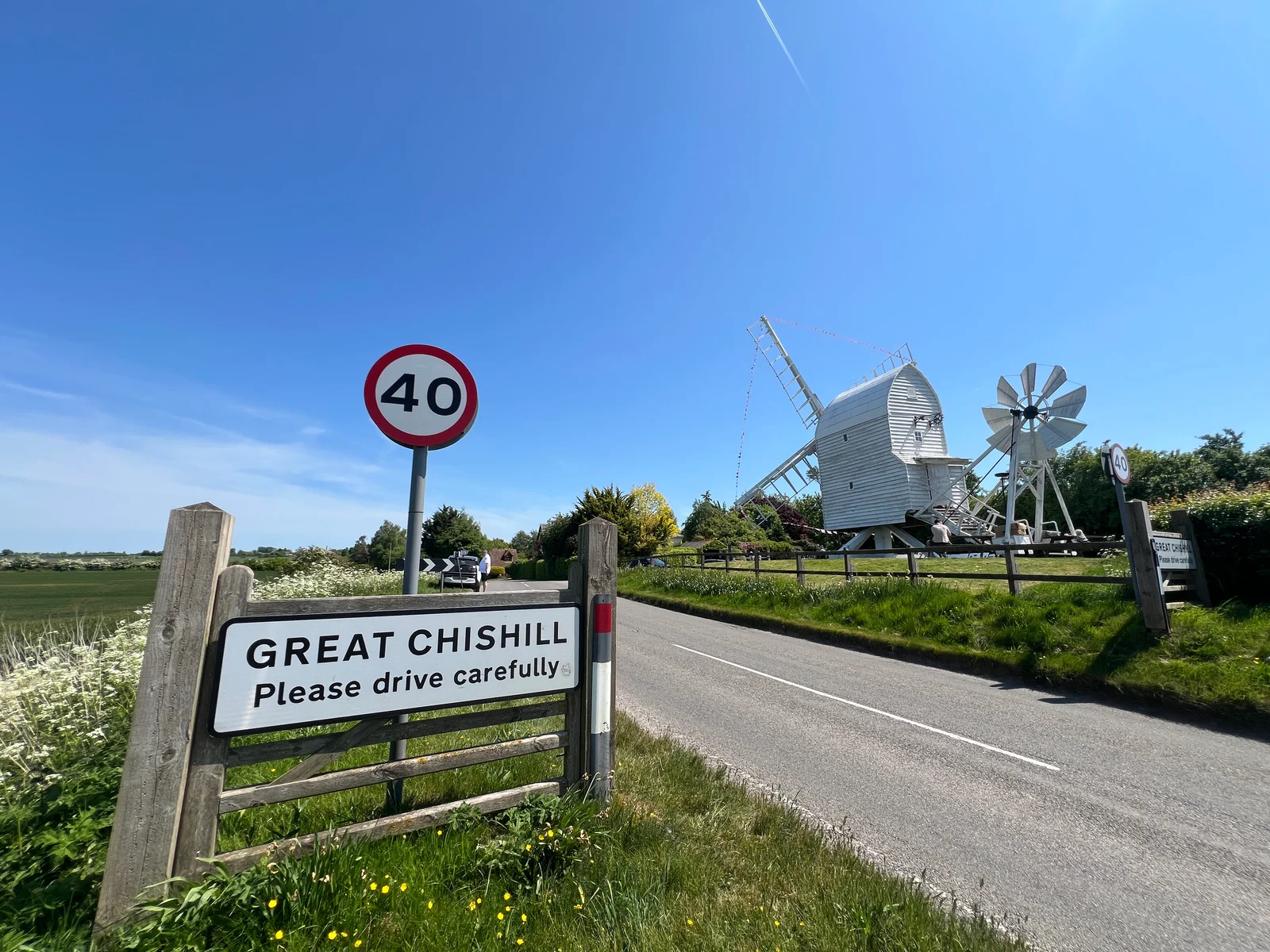
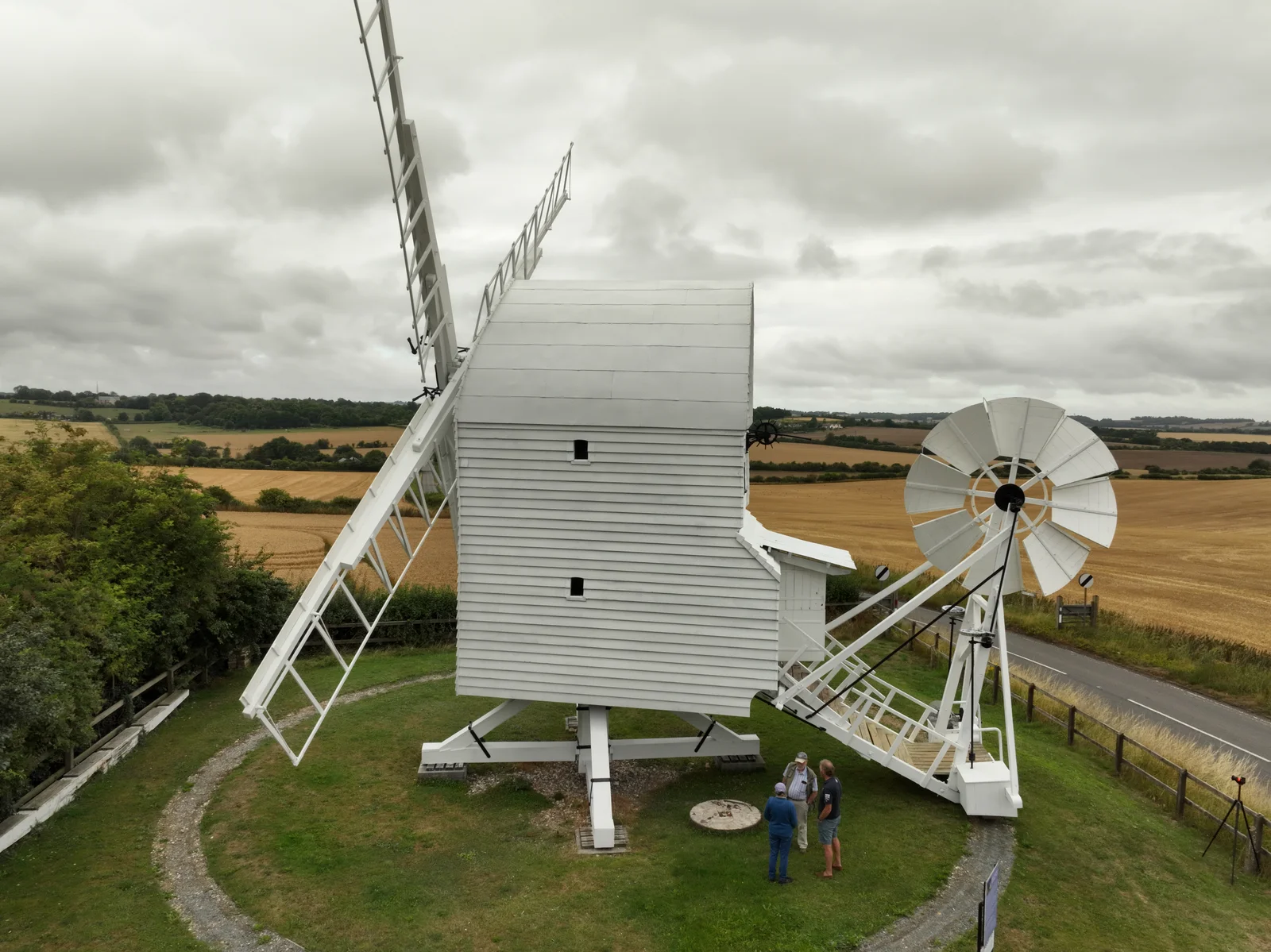
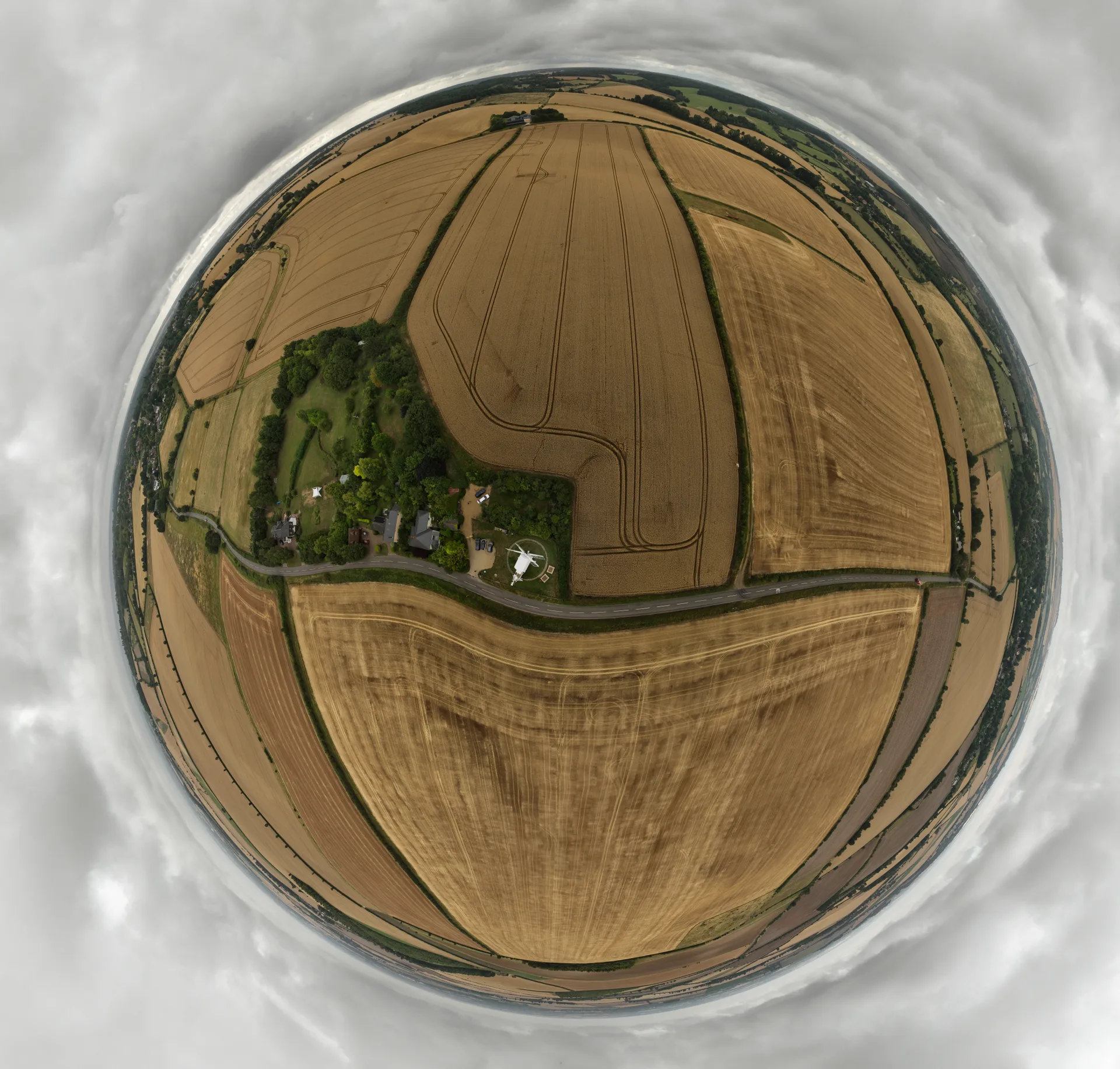
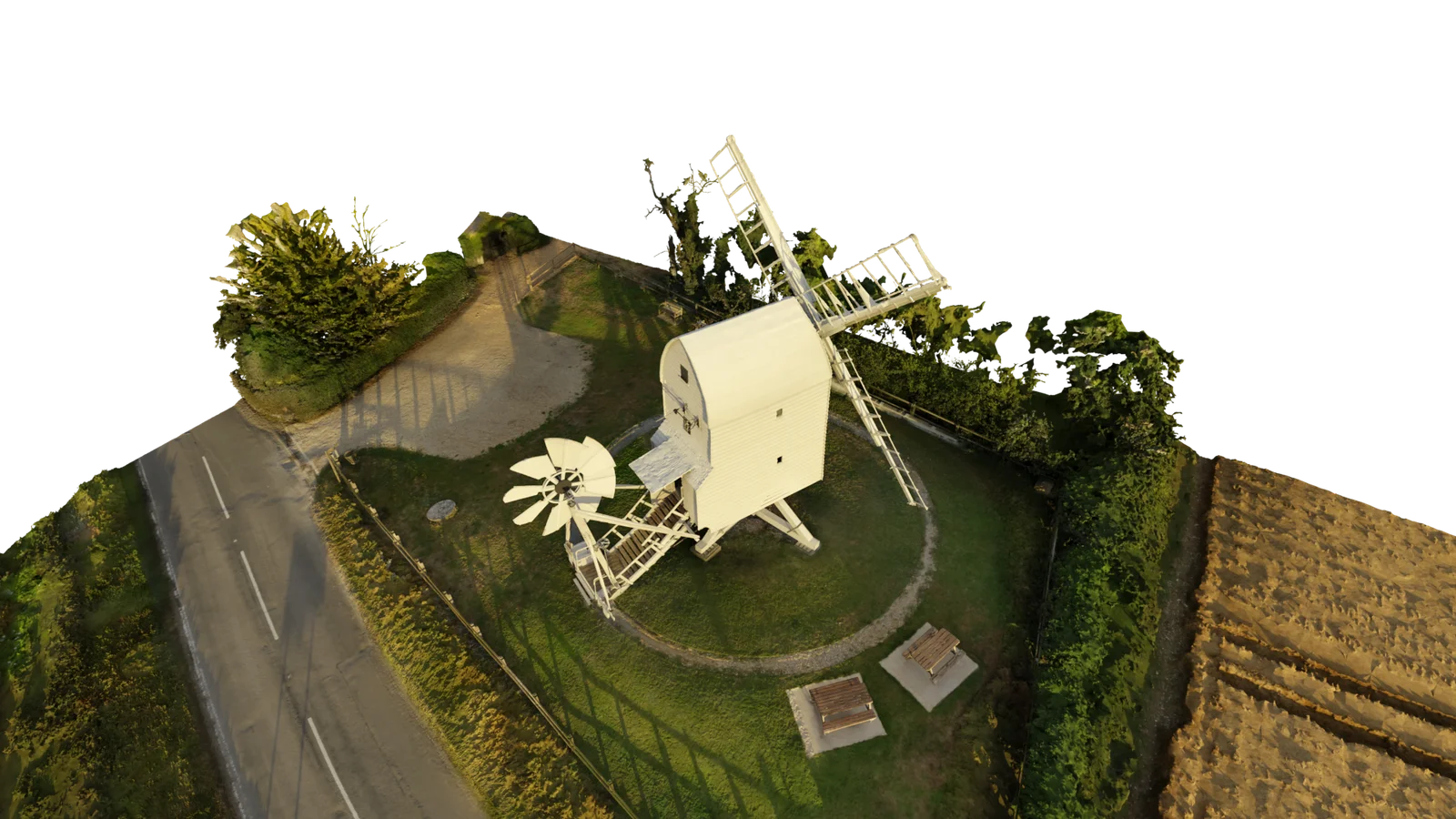
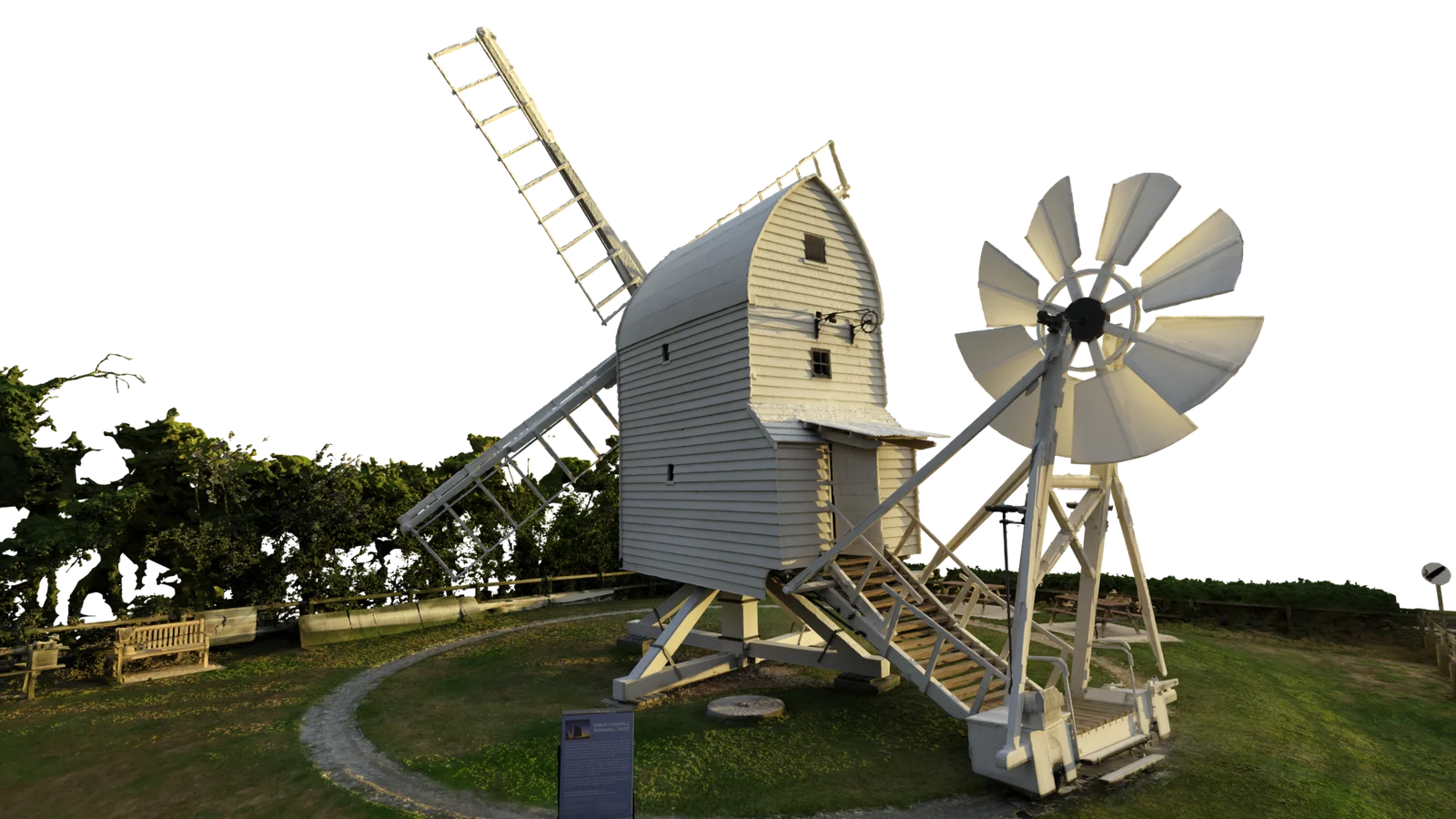
The Great Chishill Windmill is one of Cambridgeshire’s defining landmarks and among the very few surviving open trestle post mills in the United Kingdom, with only around eight of this type remaining. Built in 1819, during the reign of George III, on the site of an earlier mill, it incorporates timbers dating back to the 17th century. The main structure sits on an exposed wooden base, or trestle, while its most distinctive feature is a fantail, making it the only open trestle post mill in the country capable of automatically turning to face the wind.
The mill was used to grind grist for animal feed until 1951 and later underwent structural work in 1967, including the installation of a new trestle and weatherboarding. After years of decline, it faced potential collapse before being taken over by the Great Chishill Windmill Trust in 2011. Restoration efforts, culminating in major repairs completed in 2019, have secured the mill’s future, preserving this rare and historically significant structure for generations to come.
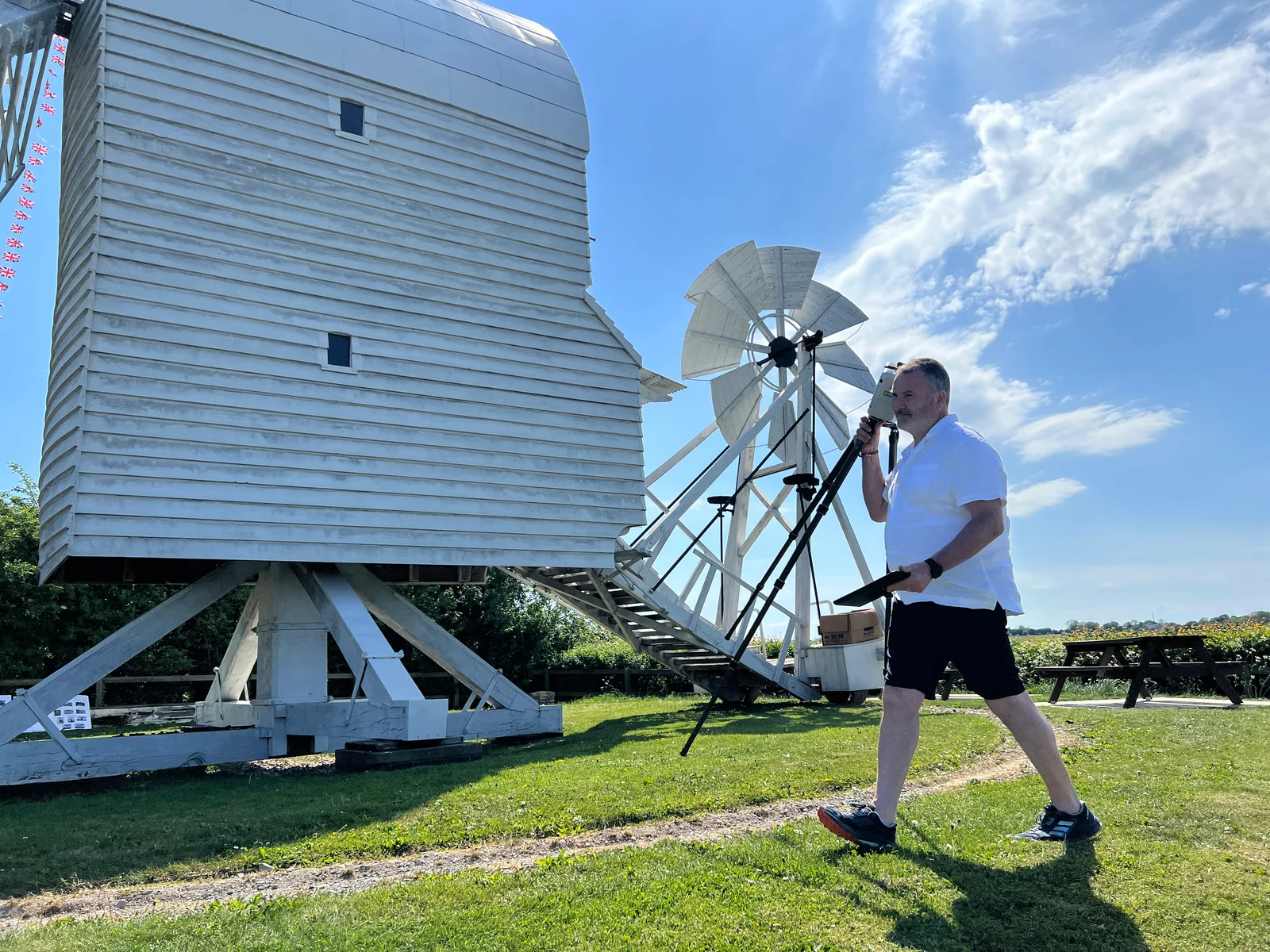
As a heritage and conservation project in our own backyard, Kittiwake Digital undertook a detailed digital documentation exercise of the mill, which proved to be substantially more complicated than we first assumed. The unique fantail feature meant that the mill was in constant motion throughout the scanning process; not just the fantail vanes, but the entire structure, which was continually rotated and realigned by the wind during the course of the project.
As a consequence, the individual laser scans, along with the aerial and terrestrial photogrammetric images, were captured with the mill in differing orientations, far from ideal when it comes to processing the data. However, by breaking the mill down into its constituent components and registering each vane, each sail, as well as the exposed trestle and exterior weatherboarding as separate projects, we were able to accurately model and texture both the interior and exterior.
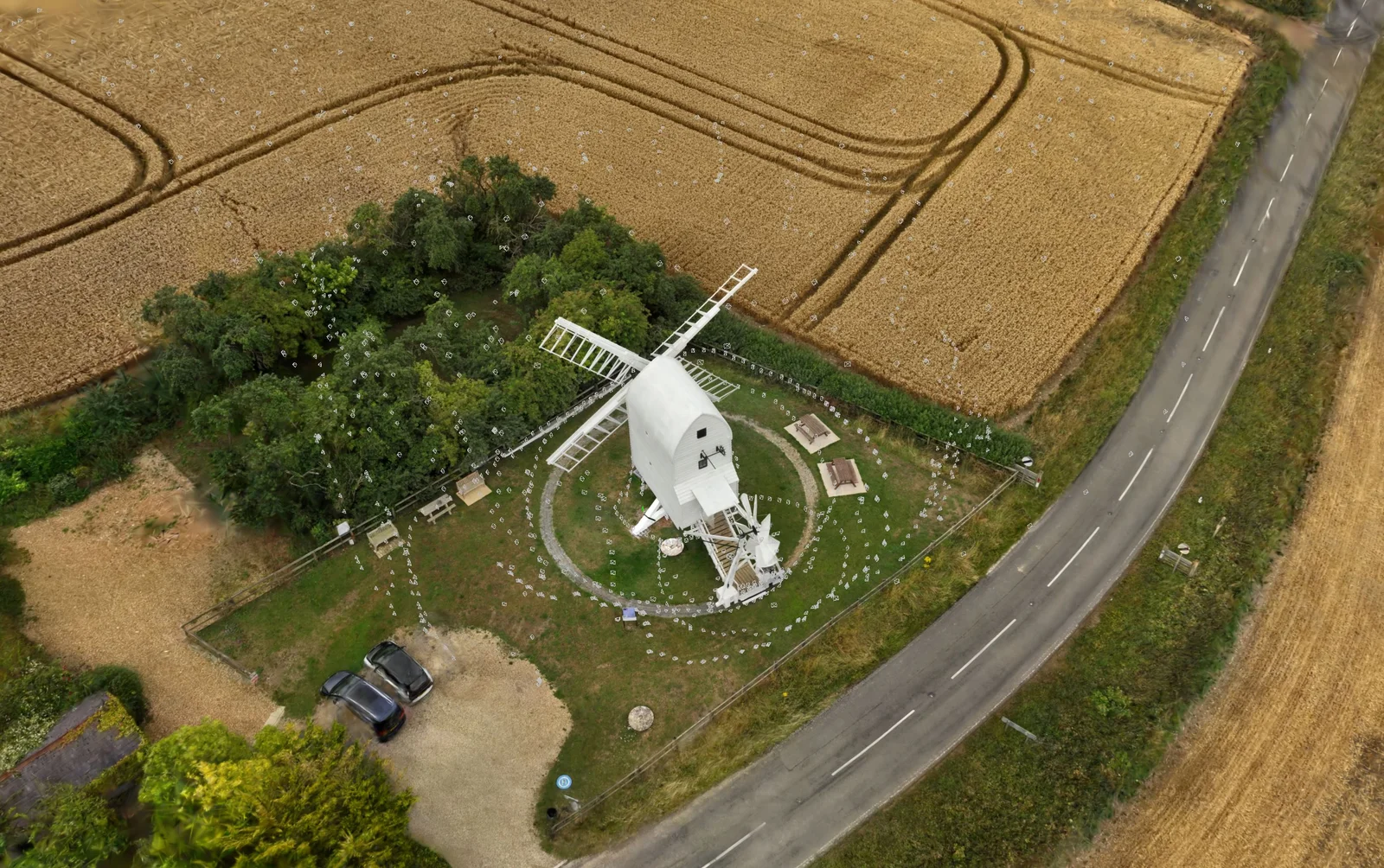
Furthermore, by combining a selection of drone-captured aerial images and tripod-mounted terrestrial images with the registered LiDAR components, we were also able to generate a detailed 3DGS, or Gaussian Splat, of the mill within its beautiful surroundings.
Let’s talk about your project
Whether you have a fully-defined brief or you’re exploring options, we’re happy to discuss your needs. Every project starts with understanding what you’re trying to achieve.
Get in touch