Maritime Collision Investigation
Forensic 3D documentation of a fatal collision at sea
3D reality capture using advanced scanning and photographic technologies allows us to accurately capture and document every detail of a forensic environment, whether it's a murder scene, a suspicious death, a vehicle collision, officer-involved shootings, or eyewitness confirmation. It enables us to fully document a scene, minimising human error, increasing accuracy, and improving courtroom understanding of the events. By empowering forensic investigators through the use of metrically and spatially accurate data, we can help the truth to come out. One of the most important elements of the forensic geomatic services we provide is the ability to provide a portable and rapid response following an incident; over the years we have been entrusted with recording some of the most complex and poignant forensic scenes at very short notice.
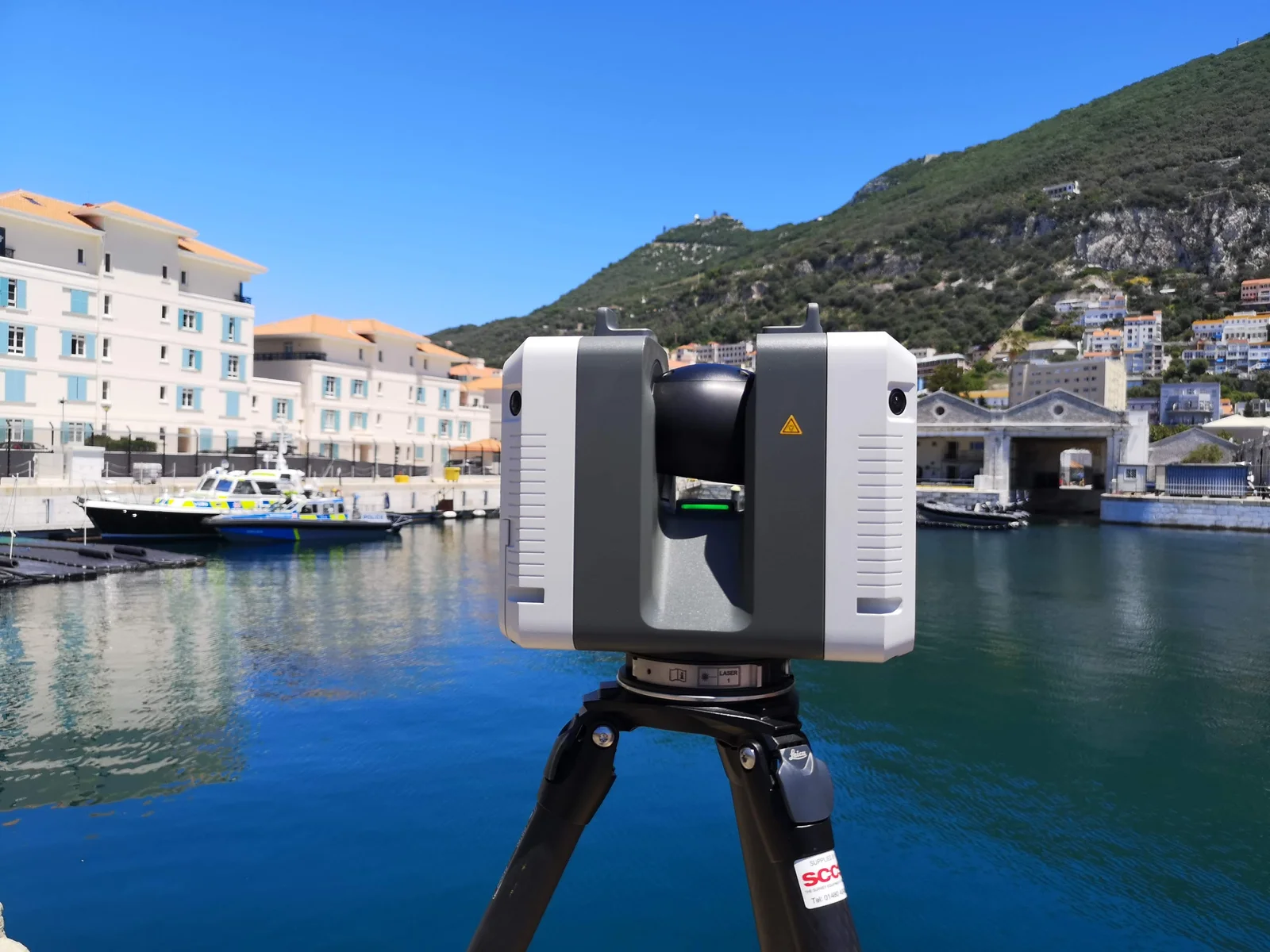
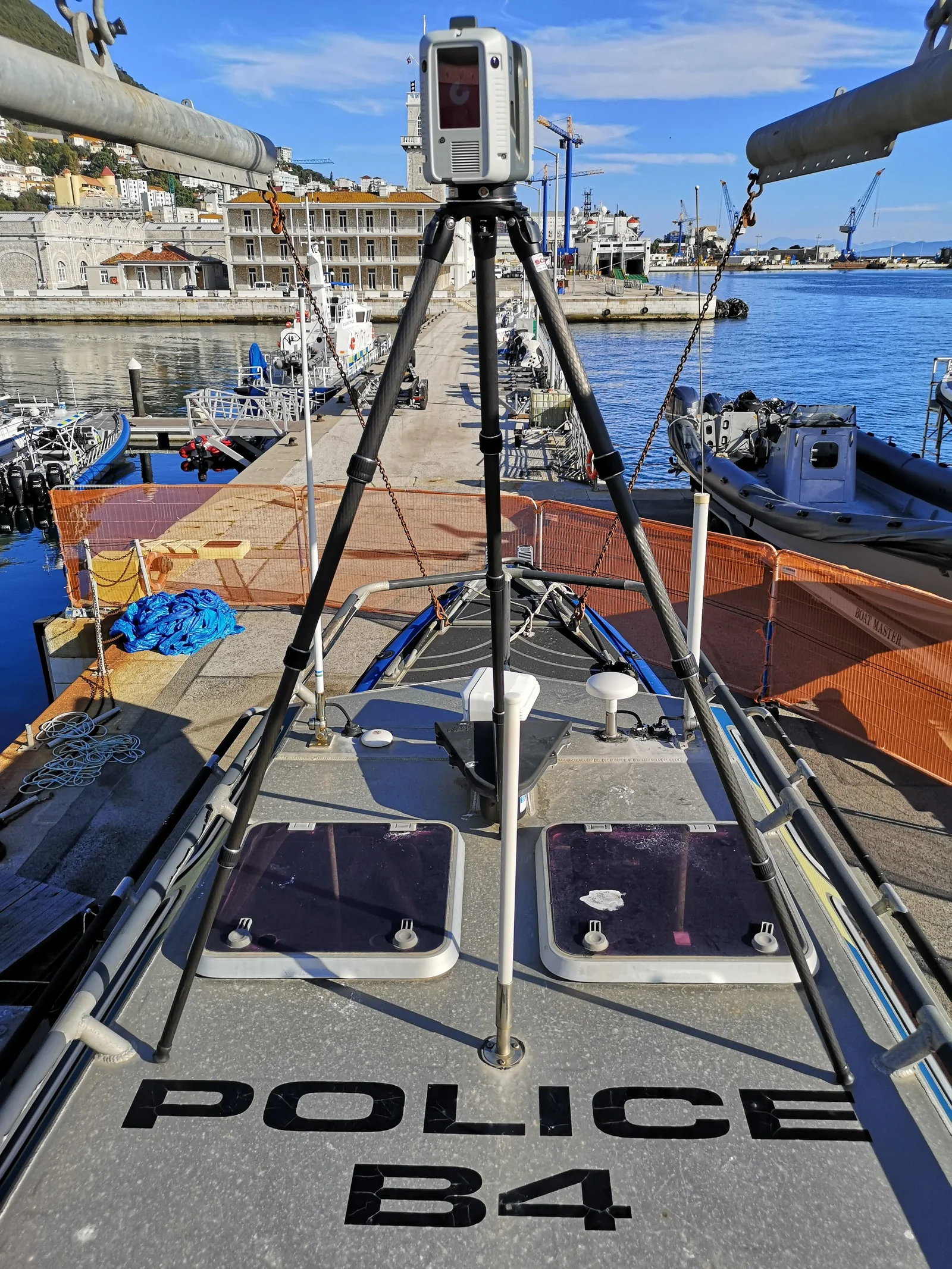
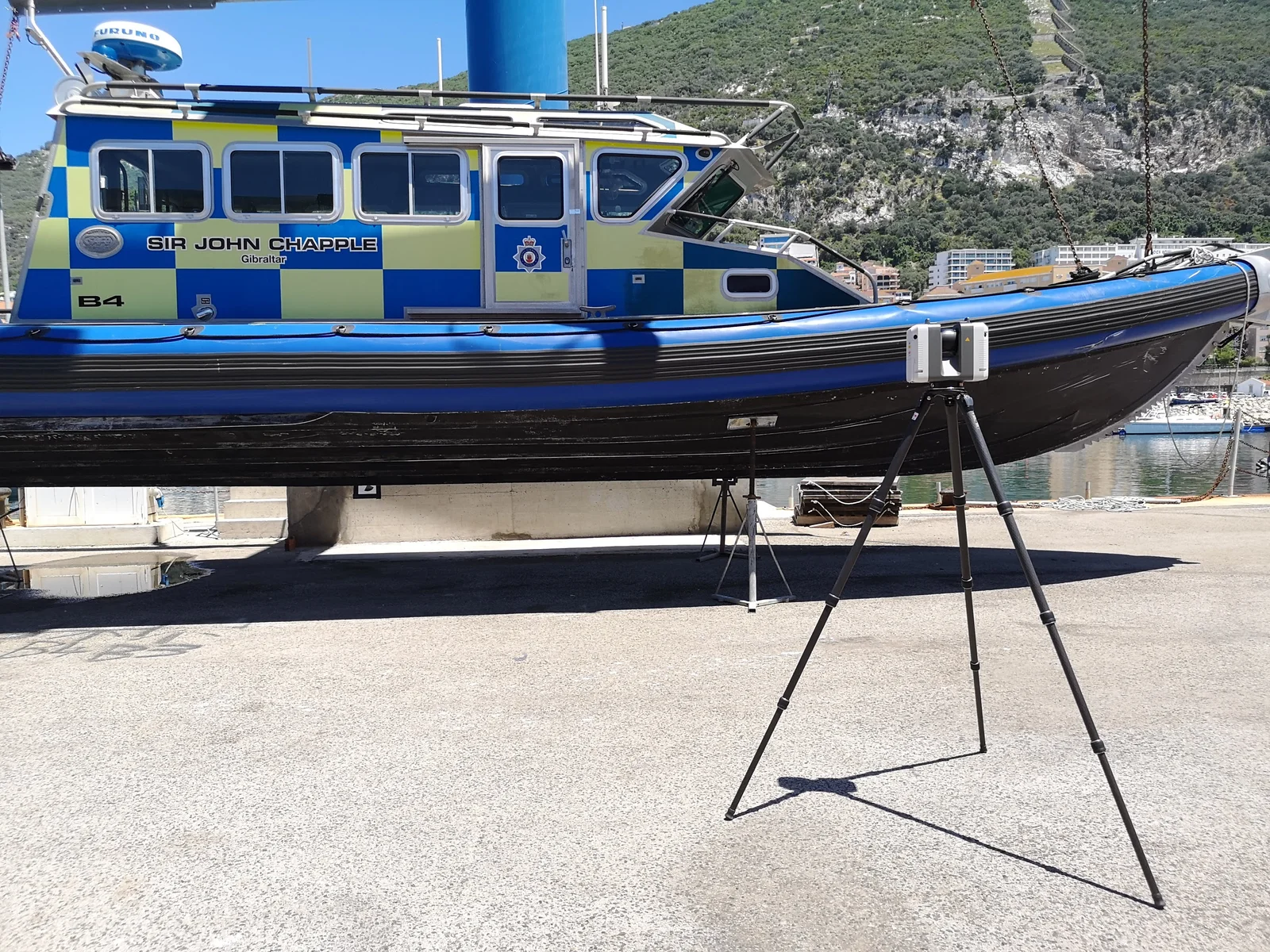
Marine investigations are increasingly reliant on the availability of independent, cogent, contemporaneous data to unravel events leading up to an incident. Clear and impartial, data-based, analysis contributes significantly to a greater understanding of the causes of such incidents. The use of digital spatial data can help facilitate the reconstruction of events leading up to the incident and is now an established part of the analysis of most maritime accidents. It is complementary to the evidence gathered by engineers and law enforcement agencies when attending an incident, rather than being a replacement, and should be seen as a tool to help provide a clearer picture rather than one that replaces all other evidence.
Reconstructing the collision
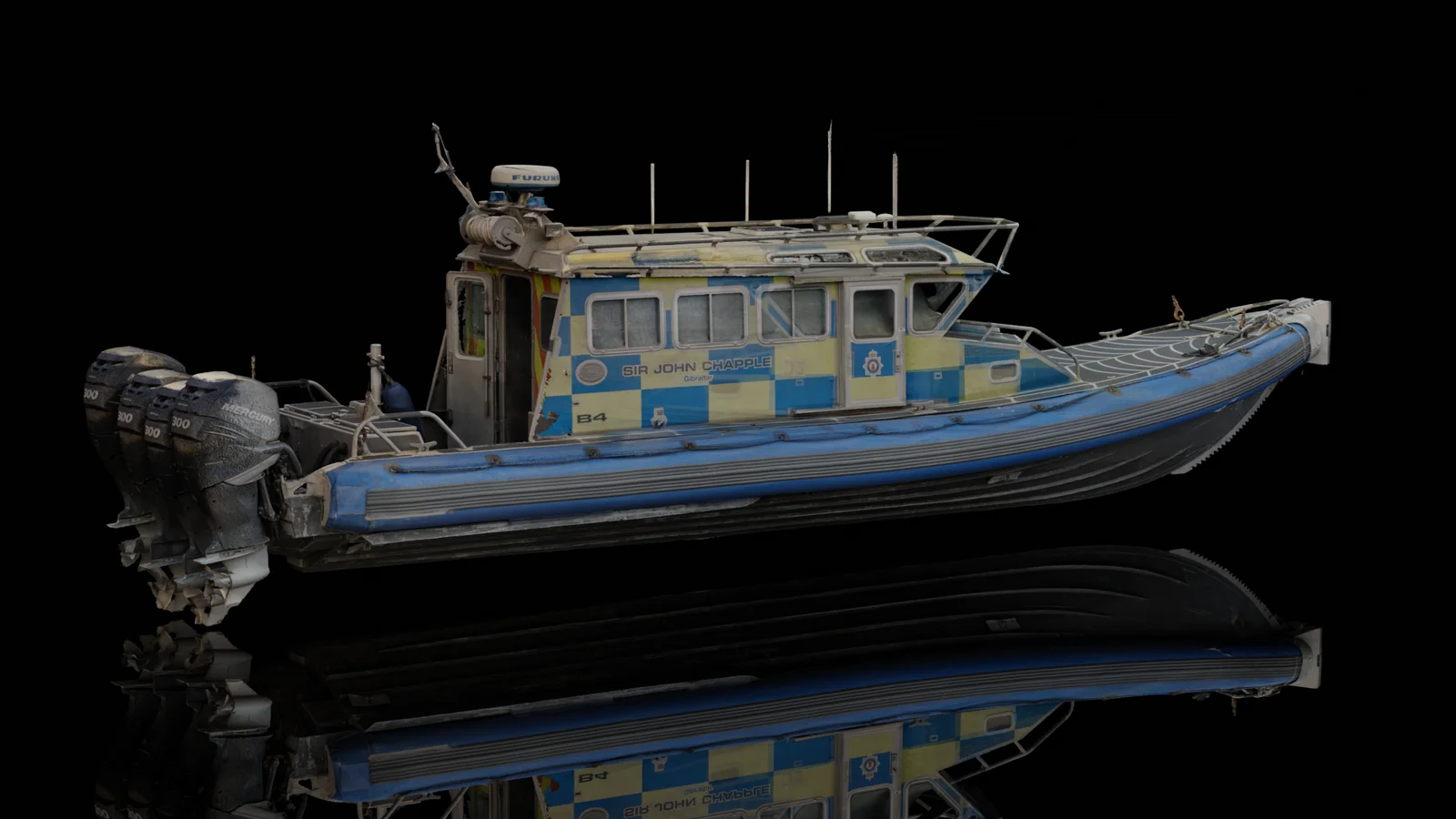
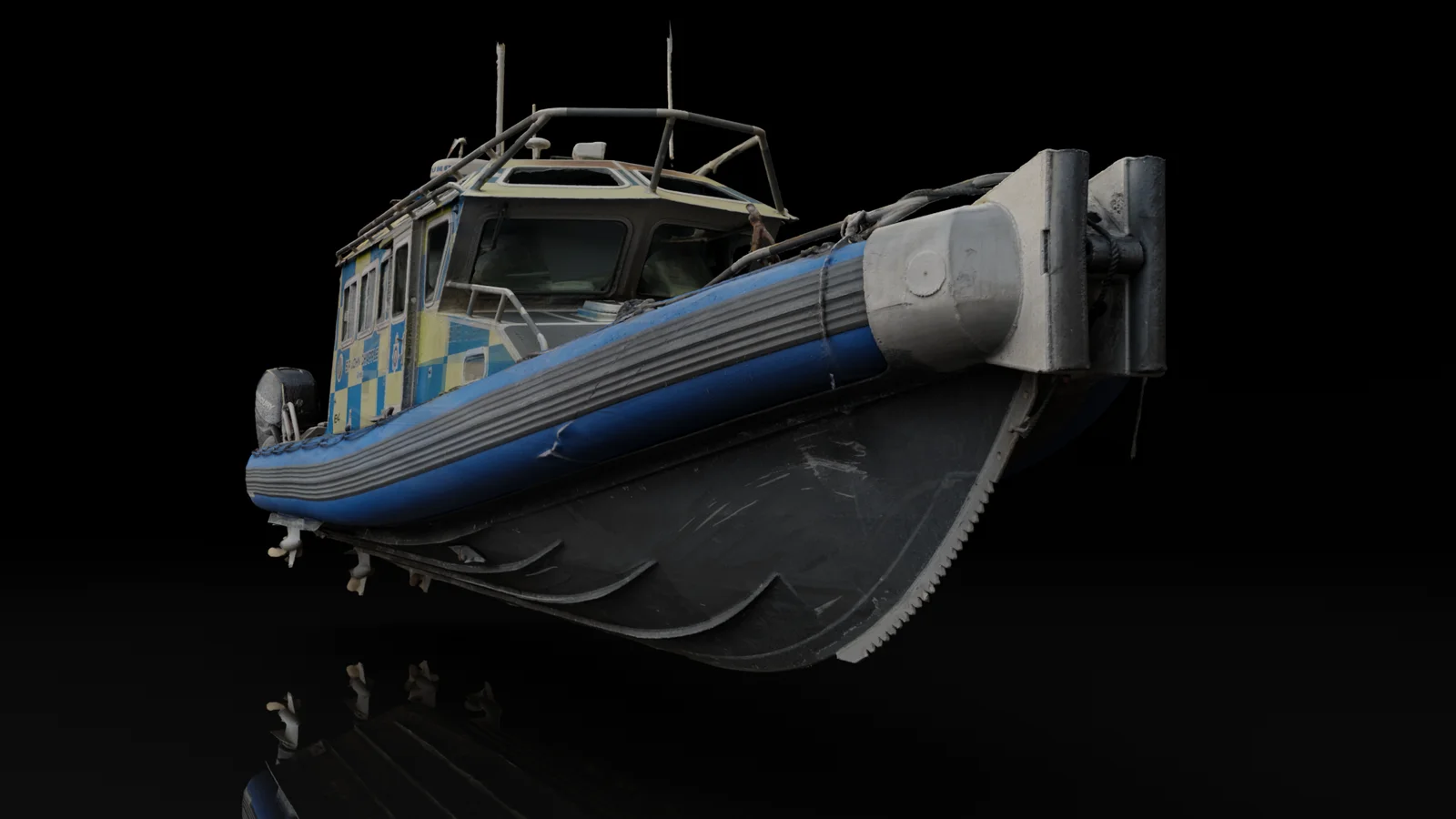
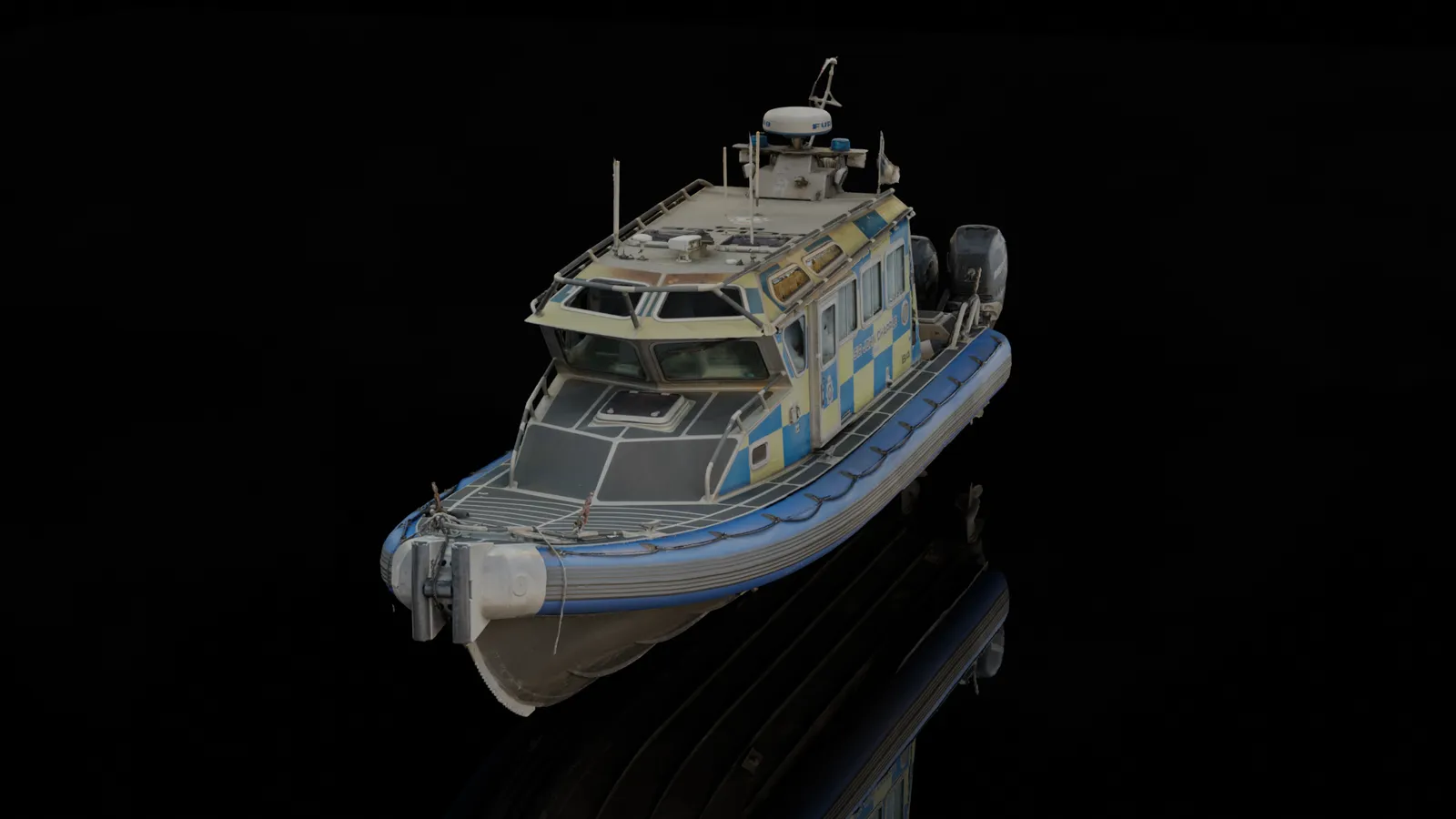
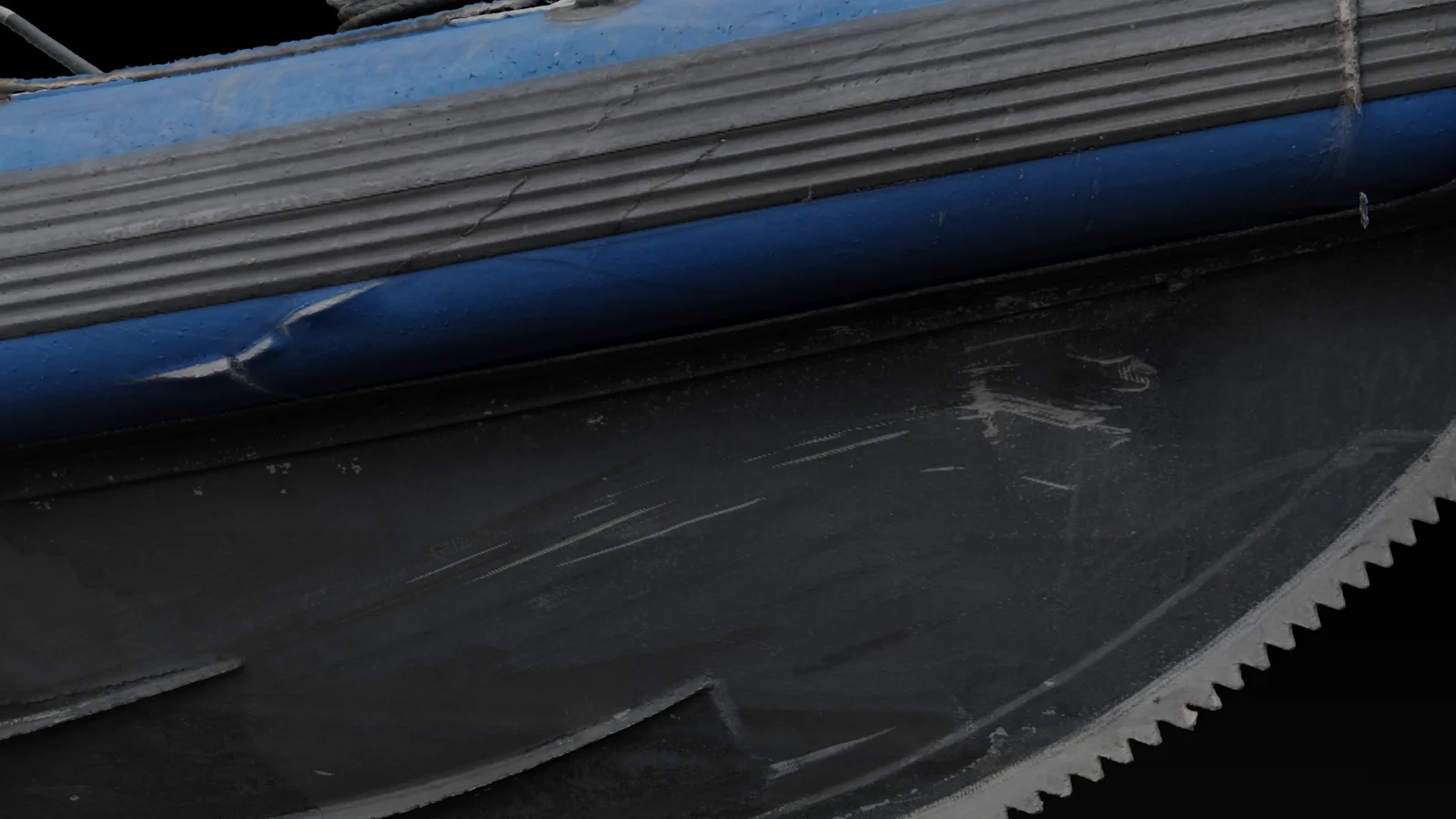
Recently, we were entrusted to digitally document two vessels that had been involved in a fatal collision whilst at sea. The objective reconstruction of the incident relied upon an accurate 3D representation of both boats, as well as the damage that resulted from the high-speed contact. We flew to the Mediterranean coastal location of the boats and created precise digital assets using a combination of Leica RTC360 laser scanners and Sony digital cameras. These were then used to virtually reconstruct the collision in Marine Accident Data Analysis software and test the accuracy of the witness statements of the vessels' crews during the inquest.
Let’s talk about your project
Whether you have a fully-defined brief or you’re exploring options, we’re happy to discuss your needs. Every project starts with understanding what you’re trying to achieve.
Get in touch